
Transform Your Space with Modern Interior Design

Modern home design is more than just a trend - it’s a way to create a living space that feels fresh, functional, and inviting. Whether you are updating a single room or reimagining your entire home, embracing modern design principles can transform your space into a stylish and comfortable haven. This post will guide you through practical ideas and tips to help you achieve a modern look that suits your lifestyle.
Embracing the Essentials of Modern Home Design
Modern home design focuses on simplicity, clean lines, and a sense of openness. It often incorporates natural light, neutral colors, and functional furniture. Here are some key elements to consider:
Open Floor Plans: Removing unnecessary walls creates a spacious feel and encourages natural light to flow throughout the home.
Neutral Color Palettes: Whites, greys, and earth tones form the base, allowing accent colors to pop without overwhelming the space.
Minimalist Furniture: Choose pieces with sleek profiles and avoid excessive ornamentation.
Natural Materials: Wood, stone, and metal add texture and warmth while maintaining a modern aesthetic.
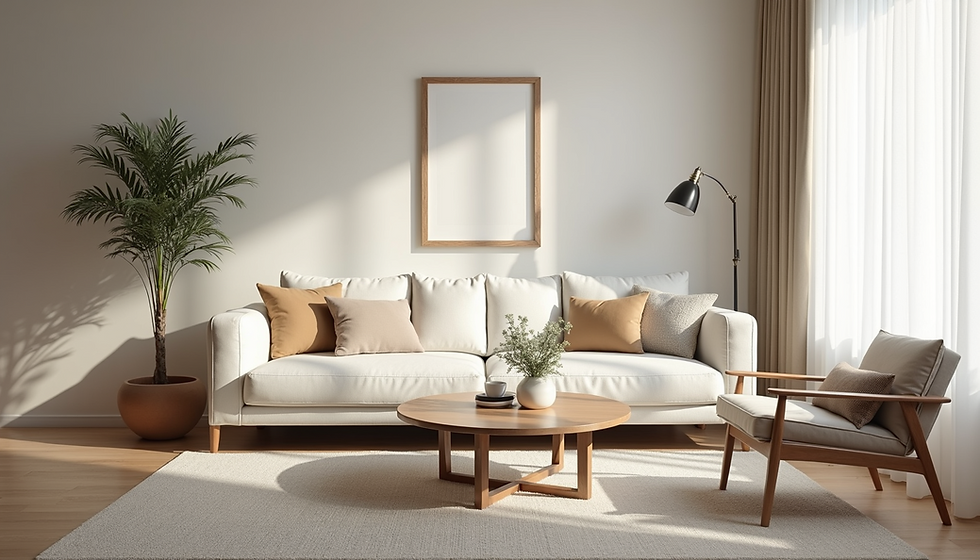
For example, a living room with a low-profile sofa in a soft grey fabric, paired with a wooden coffee table and large windows, instantly feels modern and welcoming.

How to Incorporate Modern Home Design in Every Room
Each room in your home offers unique opportunities to apply modern design principles. Here’s how to approach key spaces:
Living Room
Use a neutral base with pops of color through cushions or artwork.
Opt for furniture with clean lines and avoid bulky pieces.
Incorporate smart storage solutions to keep clutter out of sight.
Add a statement light fixture to create a focal point.
Kitchen
Choose sleek cabinetry with flat fronts and integrated handles.
Use quartz or concrete countertops for a modern, durable surface.
Install open shelving to display stylish dishware or plants.
Consider stainless steel appliances for a cohesive look.
Bedroom
Keep bedding simple with solid colors or subtle patterns.
Use built-in wardrobes to maximize space and maintain a clean look.
Add soft lighting with bedside lamps or wall sconces.
Incorporate natural elements like a wooden headboard or woven rug.
Bathroom
Install floating vanities to create a sense of space.
Use large-format tiles in neutral tones for walls and floors.
Add frameless glass shower enclosures for a sleek finish.
Choose modern fixtures with clean lines and matte finishes.

Choosing the Right Colors and Textures
Color and texture play a crucial role in modern home design. While the palette tends to be neutral, layering different textures adds depth and interest. Here are some tips:
Start with a neutral base: Whites, beiges, and greys create a calm backdrop.
Add contrast: Use black or dark grey accents to define spaces.
Incorporate natural textures: Wood grain, stone surfaces, and woven fabrics bring warmth.
Use metallic finishes sparingly: Brushed nickel or matte black fixtures add sophistication without overpowering.
For example, a living room with a white sofa, a wooden coffee table, and a soft wool rug balances cool and warm textures beautifully.
Lighting: The Key to Modern Ambiance
Lighting can make or break a modern space. It enhances architectural features and sets the mood. Consider these lighting strategies:
Layered Lighting: Combine ambient, task, and accent lighting for flexibility.
Statement Fixtures: Choose modern chandeliers or pendant lights as focal points.
Natural Light: Maximize window space and use sheer curtains to let light in.
Smart Lighting: Use dimmers and smart bulbs to adjust brightness and color temperature.
For example, a dining area with a sculptural pendant light above the table creates a stylish and inviting atmosphere.

Practical Tips to Start Your Modern Home Design Journey
Ready to transform your space? Here are actionable steps to get started:
Declutter: Remove unnecessary items to create a clean slate.
Plan Your Layout: Sketch or use design software to visualize open spaces.
Choose a Color Scheme: Select a neutral base and one or two accent colors.
Invest in Key Pieces: Prioritize quality furniture with modern lines.
Add Personal Touches: Incorporate art, plants, or textiles that reflect your style.
Consult Professionals: For expert advice, consider working with an interior design specialist.
By following these steps, you can create a modern home that is both beautiful and functional.
Bringing It All Together for a Modern Lifestyle
Modern home design is about creating spaces that support your daily life while expressing your personal taste. It encourages simplicity, functionality, and a connection to natural elements. Whether you prefer bold contrasts or soft neutrals, the principles of modern design can be adapted to fit your needs.
Start small by updating one room or go big with a full home makeover. Either way, the result will be a space that feels fresh, organized, and welcoming. Embrace modern home design to transform your living environment into a stylish retreat that you’ll love coming home to.


Comments