
Designing Comfortable and Stylish Retirement Homes: Senior living design ideas

Creating a living space that balances comfort, style, and functionality is essential for seniors transitioning into retirement. Thoughtful design can enhance quality of life, promote independence, and foster a sense of community. Whether building a new home or renovating an existing one, incorporating senior living design ideas ensures that the space meets the unique needs of older adults while maintaining aesthetic appeal.
Senior Living Design Ideas for Comfort and Accessibility
When designing a home for seniors, comfort and accessibility should be the top priorities. This means considering mobility challenges, sensory changes, and safety concerns. Here are some practical design ideas to keep in mind:
Single-level living: Avoid stairs by designing or choosing a home with all essential rooms on one floor. This reduces fall risks and makes navigation easier.
Wide doorways and hallways: Ensure doorways are at least 36 inches wide to accommodate walkers or wheelchairs. Hallways should be spacious enough for easy movement.
Non-slip flooring: Use materials like cork, rubber, or textured vinyl to prevent slips. Avoid glossy tiles or polished hardwood that can be slippery.
Lever-style door handles and faucets: These are easier to operate for those with arthritis or limited hand strength.
Ample natural light: Large windows and skylights improve mood and reduce eye strain. Use sheer curtains to diffuse sunlight without blocking it.
Adjustable lighting: Install dimmers and multiple light sources to allow seniors to control brightness according to their needs.
Incorporating these features creates a safe and welcoming environment that supports independence and reduces the risk of accidents.

Stylish Elements to Enhance Senior Living Spaces
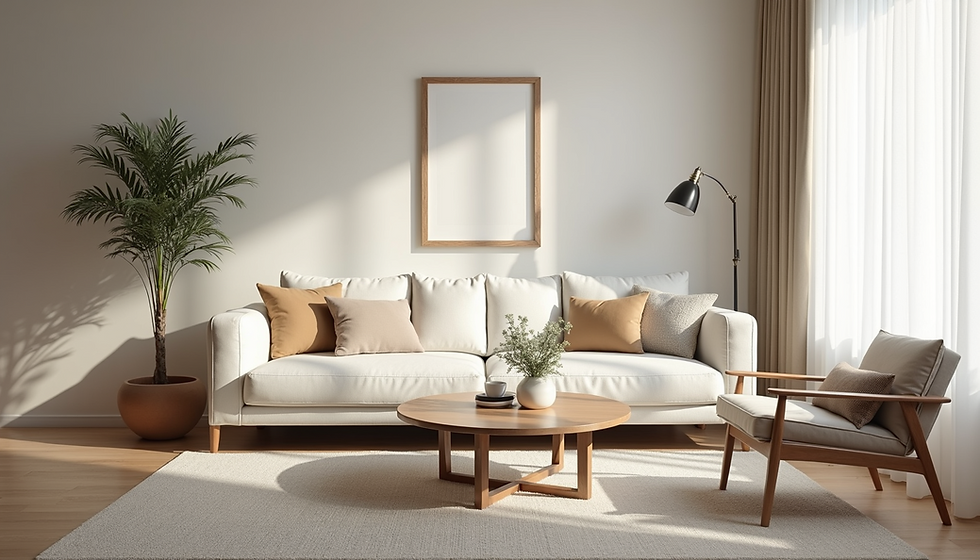
Style does not have to be sacrificed for functionality. In fact, combining both can create a warm and inviting atmosphere that seniors will love. Here are some senior living design ideas that add style without compromising comfort:
Neutral color palettes with pops of color: Soft tones like beige, cream, and light gray create a calming backdrop. Add interest with colorful cushions, rugs, or artwork.
Comfortable furniture with supportive features: Choose chairs and sofas with firm cushions, armrests, and higher seat heights for easier sitting and standing.
Multi-functional furniture: Ottomans with storage, fold-out tables, and adjustable beds maximize space and utility.
Natural materials: Wood, stone, and plants bring warmth and texture to the space.
Personalized décor: Incorporate family photos, heirlooms, and hobbies to make the home feel uniquely theirs.
These design touches make the home feel less clinical and more like a cherished personal space.

What is the 80/20 Rule in a Retirement Community?
The 80/20 rule is a useful guideline in designing and managing retirement communities. It suggests that 80% of the living space should be dedicated to private, personal areas, while 20% should be allocated to shared, communal spaces. This balance supports both privacy and social interaction, which are crucial for seniors' well-being.
Private spaces: Bedrooms, bathrooms, and personal living rooms where residents can relax and enjoy solitude.
Communal spaces: Dining rooms, lounges, gardens, and activity rooms that encourage socializing and community engagement.
Applying the 80/20 rule helps create a harmonious environment where seniors feel comfortable and connected. It also guides architects and designers in allocating space efficiently.

Practical Tips for Designing Outdoor Spaces
Outdoor areas are vital for seniors’ physical and mental health. They provide opportunities for exercise, fresh air, and social gatherings. Here are some tips to design outdoor spaces that are both safe and enjoyable:
Smooth, even pathways: Use non-slip materials and avoid abrupt changes in level to prevent trips and falls.
Shaded seating areas: Install pergolas, umbrellas, or trees to provide relief from the sun.
Raised garden beds: These allow seniors to garden without bending or kneeling.
Accessible entrances: Ensure doors and gates are easy to open and wide enough for mobility aids.
Lighting: Use solar or low-voltage lights along paths and seating areas for safety during evening hours.
Well-designed outdoor spaces encourage seniors to stay active and engaged with nature.
Incorporating Technology for Enhanced Living
Modern technology can greatly improve the comfort and safety of senior living environments. Here are some ways to integrate technology seamlessly:
Smart home systems: Voice-activated assistants can control lights, thermostats, and security systems.
Emergency alert devices: Wearable pendants or bracelets that connect to emergency services provide peace of mind.
Automated lighting: Motion sensors can turn lights on and off to prevent falls in dark areas.
Video communication: Easy-to-use tablets or screens help seniors stay connected with family and friends.
Health monitoring: Devices that track vital signs or medication reminders support independent living.
Technology should be user-friendly and unobtrusive, enhancing daily life without causing frustration.
Creating a Home That Feels Like Home
Designing a retirement home is about more than just meeting physical needs. It’s about creating a space where seniors feel safe, valued, and comfortable. By combining thoughtful design, stylish elements, and practical features, you can create a home that supports a fulfilling and joyful retirement.
For those interested in exploring options for retirement homes, consider how these design principles can be applied to find or create the perfect living environment.
By focusing on accessibility, style, community balance, outdoor enjoyment, and technology, you can design a retirement living space that truly enhances the quality of life for seniors.


Great article Coco!